


Driver's license






What is a driver’s license
Driving license or Driver’s license is a legal document that grants an individual permission to operate a specific type of motorized vehicle, such as a car, truck, motorcycle, or bus, on public roads. It is typically issued by a government agency, such as a department of motor vehicles (DMV), after the applicant has met certain requirements, including passing a driving test.
Key Characteristics:
- A driver’s license is a legal authorization, confirming an individual’s competence to operate a motor vehicle.
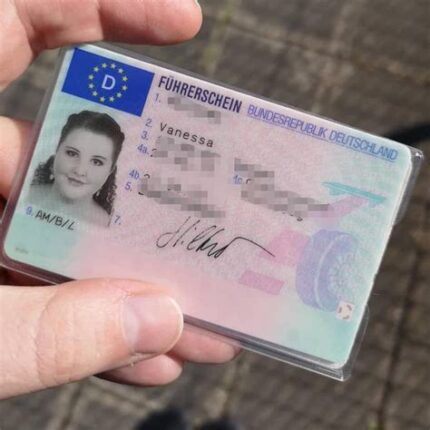
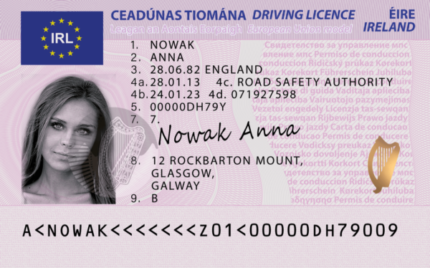
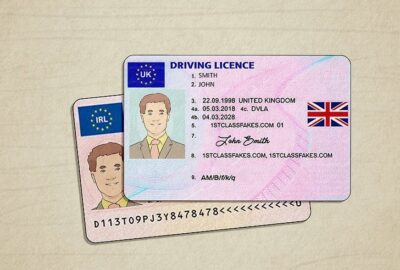
- It is often a plastic card, similar in size to a credit card, and may include a photograph, name, address, and other identifying information.
- Licenses vary in terms of the types of vehicles they permit the holder to operate, such as passenger cars, commercial trucks, or motorcycles.
- Requirements for obtaining a driver’s license differ between jurisdictions, but typically include passing a written test, a vision test, and a driving skills test.
- Licenses may have expiration dates, after which they must be renewed or reissued.
International Variations:
- In British English, the term “driving licence” is commonly used.
- In Australian English, Canadian English, New Zealand English, and American English, the terms “driver license” or “driver’s license” are used.
- The Vienna Convention on Road Traffic uses the term “driving permit” in international agreements.
Historical Context:
- Mandatory licensing for drivers in the United Kingdom came into effect on January 1, 1904, following the Motor Car Act 1903.
- Prior to the 20th century, European authorities issued permits to drive motor vehicles ad hoc, if at all.
What is the use of a driver’s license
Primary Purpose: A driver’s license serves as legal authorization for an individual to operate specific types of motorized vehicles on public roads.
Multiple Uses:
- Vehicle Operation: It grants the holder the right to drive certain vehicles, such as automobiles, motorcycles, trucks, or buses, depending on the issuing jurisdiction’s regulations and the license class held.
- Identity Document: In countries without a national identity card program, a driver’s license can serve as a primary form of identification.
- Proof of Competence: It demonstrates that the holder has met the necessary requirements and has been deemed competent to operate a vehicle safely.
Key Takeaways:
- A driver’s license is a legal document that confirms an individual’s authorization to drive specific vehicles.
- Its uses extend beyond vehicle operation, serving as a form of identification and proof of competence in some jurisdictions.
- The specific requirements and uses of a driver’s license vary depending on the issuing country or region.
In summary, a driver’s license is a legal authorization that permits an individual to operate a specific type of motorized vehicle on public roads, and its requirements and characteristics vary between jurisdictions.
